Two Policies, Two Very Different Jobs
Many contractors assume their general liability policy covers "everything that goes wrong on a job." For most claims, it does. But for the one category that defines environmental work — pollution — a standard GL is built to do the opposite of cover you. Understanding the line between CPL and GL is the difference between a paid claim and a denied one.
What General Liability Covers
Commercial general liability (CGL) responds to third-party bodily injury and property damage from your ordinary operations:
- A worker drops a tool and injures a passerby
- Your crew damages a client's finished floor
- Someone slips at your job site
These are the everyday risks of contracting, and GL handles them well.
The Absolute Pollution Exclusion
Here's the catch. Every standard CGL policy contains an absolute pollution exclusion that removes coverage for any claim involving a "pollutant." The definition is broad — asbestos, lead, mold, fuel, solvents, contaminated soil and water, fumes, and more. The exclusion was added decades ago precisely so GL carriers would *not* be on the hook for environmental claims.
So when an abatement contractor releases fibers, a remediation crew aggravates existing contamination, or a hauler spills a load, the GL doesn't reduce the claim — it denies it entirely, including the defense.
What CPL Adds
Contractors Pollution Liability covers exactly what the GL excludes:
- Bodily injury and property damage from a pollution condition your work causes
- Cleanup costs, on-site and off-site
- Toxic-tort defense, including long-tail claims
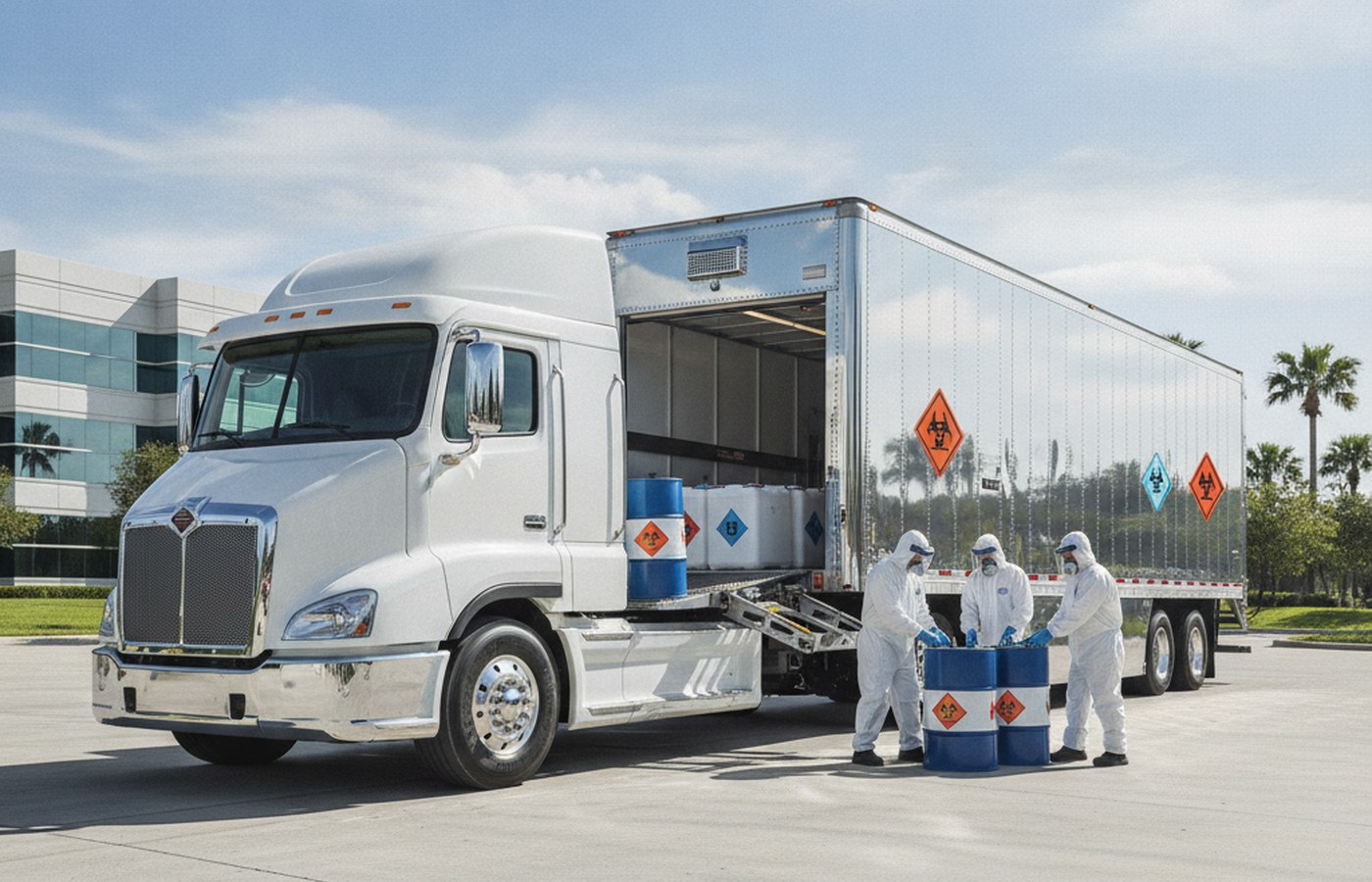
- Transported materials and disposal site exposure (by endorsement)
CPL doesn't replace your GL — it sits alongside it. The GL handles the dropped tool; the CPL handles the released contaminant.
The Combined Solution
Because the two coverages interlock, the cleanest approach for most environmental contractors is a combined CPL + GL program from one environmental carrier. It removes the seams — which policy responds, who defends a mixed claim — and usually prices better than buying the two separately.
Don't Learn This at Claim Time
The worst moment to discover the pollution exclusion is when a denial letter arrives. If your work touches hazardous materials, pair your GL with CPL now. [Get a quote](/quote) and we'll structure both so there's no gap where they meet.